Kindness Vocabulary for Kids
Kindness vocabulary gives children words for caring actions, polite choices, and fair behaviour. This guide to Kindness Vocabulary for Kids: Words and Activities covers practical terms, phrases, examples, and games for school-age and older children. Start with five or six words, demonstrate each through action, then revisit them during play, reading, and family routines. Children learn to name kindness and speak English when helping, sharing, apologising, or including someone.
Core Kindness Words and Phrases
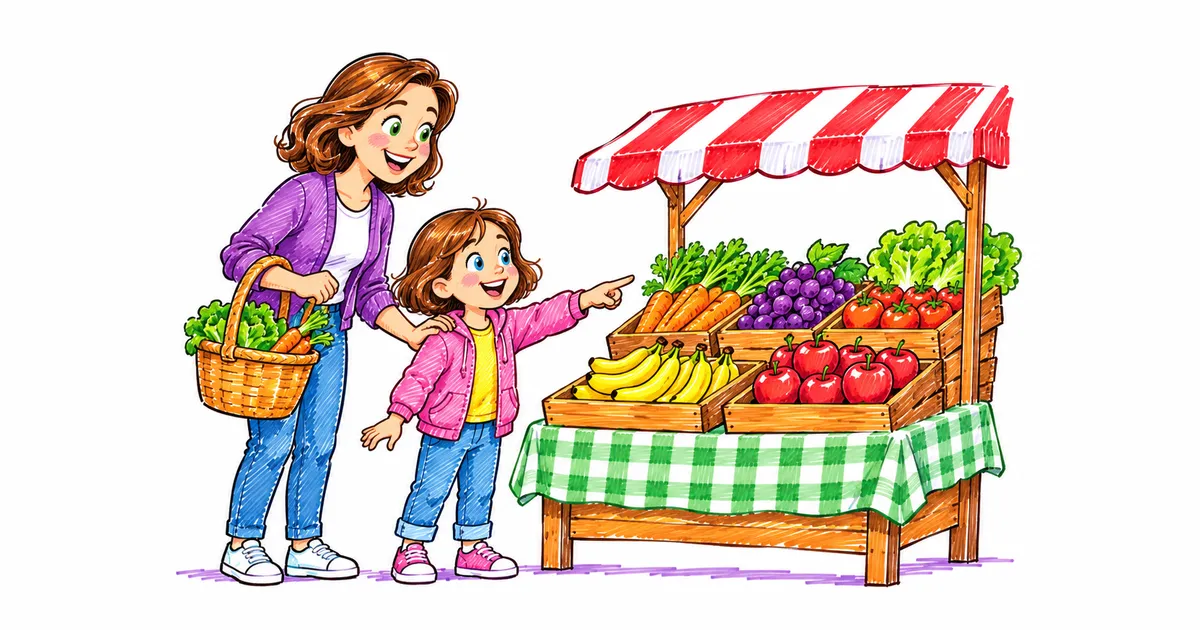
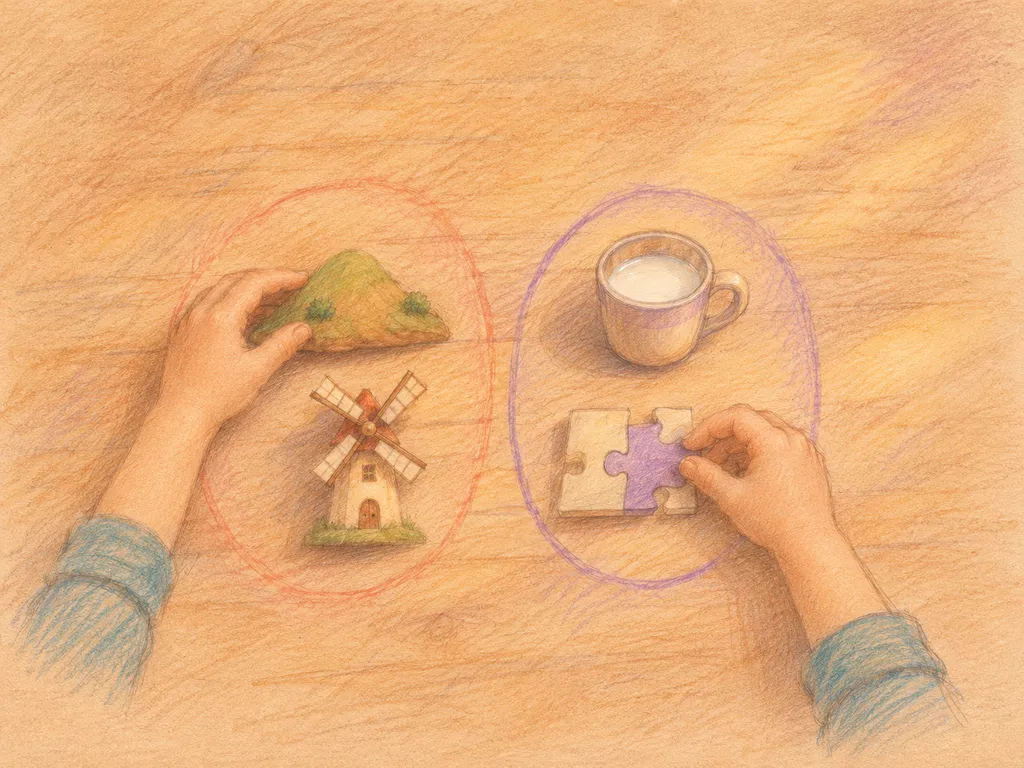
Begin with visible actions instead of abstract definitions. Show “share” by dividing fruit between two plates or “help” by carrying an object together. Kindness Vocabulary for Kids: Words and Activities works best when each word connects to a face, gesture, object, or real choice.
The table provides a starting set. Introduce one group at a time.
Brief contrasts sharpen meaning. “Fair” may mean that each person receives a suitable chance or needed help, not the same thing. “Gentle” describes an action; “kind” describes its caring purpose.
Using Kindness Language in Context
Children need complete phrases because single words cannot always guide speech. Pair “share” with “Would you like some?” and “patient” with “I can wait.” Multilingual children gain full English patterns to compare with other languages.
Create short scenes: one child has a ball, two children want the same book, or someone sits alone. Ask, “What could you say?” Answers include “Would you like to play?”, “You can use it after me,” and “Let’s take turns.” In Kindness Vocabulary for Kids: Words and Activities, repeat each word across situations so children learn meaning, not a fixed script.
Kindness language: myths and facts
Myth: Saying “please” makes every request kind.
Fact: Tone, timing, and respect for the other person’s answer matter.
Myth: Children need a large vocabulary before speaking kindly in English.
Fact: A few practised phrases can support real conversations.
Activities for Different Ages
For ages 5–6, use movement and pretend play. Ask your child to act out each word: pass a toy for “share,” open a pretend door for “help,” or wait beside a chair for “patient.” Keep rounds brief. Everyday pictures can prompt choices such as “kind or unkind?”
For school-age kids, add reasons and alternative responses. Children can choose a phrase, use it in a scene, and explain their choice. Older learners can sort phrases into offering help, solving conflict, showing thanks, and including others. Kindness Vocabulary for Kids: Words and Activities can cover group chats, teamwork, disagreement, and personal limits.
Choose the Kind Reply
Read: “Someone cannot find a pencil.” Offer three replies: “That is not my problem,” “You always lose things,” and “You can borrow mine.” Ask your child to choose, speak naturally, and suggest one more helpful sentence.
Respect cultural differences. Eye contact, forms of address, and thanks vary between families. Focus on care, personal space, repaired harm, and respect.
Simple Practice at Home and in Lessons
Use existing routines. At breakfast, choose one phrase for the day. After school, ask where your child heard or used it. During stories, pause before a response and request a kind sentence. LearnLink tutors can model conversational phrases and refine word choice, tone, and grammar.
Vary each repetition. A child might hear “Can I help you?”, match it to a picture, complete “Can I ___ you?”, then use it in role-play. The sequence builds understanding, recall, and independent use without creating a test.
One useful routine
Practise one phrase in three voices: warm, bored, and angry. Ask which voice sounds kind and how the speaker’s face and pace change.
A weekly kindness board can hold five phrases. Mark phrases heard naturally without rewarding forced kindness or public displays. At week’s end, replace only two phrases, keeping familiar language available.
Common Mistakes and Better Choices
Rigid politeness rules can produce words without understanding. After “Say sorry,” name the event and guide repair: “The block knocked down the tower. You can say, ‘I’m sorry. Shall I help rebuild it?’” Never require an apology for something the child did not do.
Avoid correcting every grammar error during a caring moment. If your child says, “You want play with us?”, respond: “Yes—would you like to play with us?” Kind intention stays central while your reply models English. Kindness Vocabulary for Kids: Words and Activities should support communication, not turn social exchanges into quizzes.
Check the practice
- Choose no more than six new words at one time.
- Show each word through an action or situation.
- Teach a complete phrase with the key word.
- Let your child refuse an invitation politely.
- Model a calm tone as well as correct wording.
- Return to older phrases during stories and play.
- Choose three kindness words and model each in one everyday sentence.
- Read one picture book and identify two kind choices together.
- Replace vague praise with one specific description of your child’s helpful action.
- Role-play two common mistakes, then practice kinder words for each situation.
- Invite your child to revise one unkind sentence using a respectful alternative.
When a word has several meanings or pronunciations, Cambridge Dictionary is a useful check before turning it into child-friendly examples.
Frequently Asked Questions

How Many Kindness Words Should My Child Learn at Once?
Five or six words suit one practice cycle. Choose words linked to familiar situations: “share,” “wait,” “help,” and “thank you.” Keep known words active while adding one or two new phrases. Small sets leave time for acting, listening, and speaking. Independent use still requires repetition.
How Can Our Tutors Teach Kindness Vocabulary to a Multilingual Child?
Connect each English phrase to an action instead of translating every word. Act out “Would you like to join?” or say it during a game invitation. Compare how family languages express the same purpose. Multilingual knowledge becomes a resource while English stays connected to social meaning.
What If My Child Knows the Words but Does Not Use Them?
Knowledge and speech during emotional moments require different skills. Model one short option, allow time, then practise through role-play. Avoid demanding public kindness. A child may need help noticing a need, choosing words, and managing frustration. Praise the specific action—waiting or including—instead of applying a broad label.
Can Kindness Vocabulary Help with English Conversation Practice?
Yes. Kindness Vocabulary for Kids: Words and Activities creates reasons to ask questions, make offers, give thanks, apologise, and resolve small conflicts. Practise sentences with replies: “Would you like to join?” can lead to “Yes, please” or “No, thank you.” Children learn that kind invitations respect each answer.
Want to see how these ideas work in a real lesson — try a LearnLink trial lesson.
Stay updated on our latest tips and resources by following us on Instagram LearnLink.